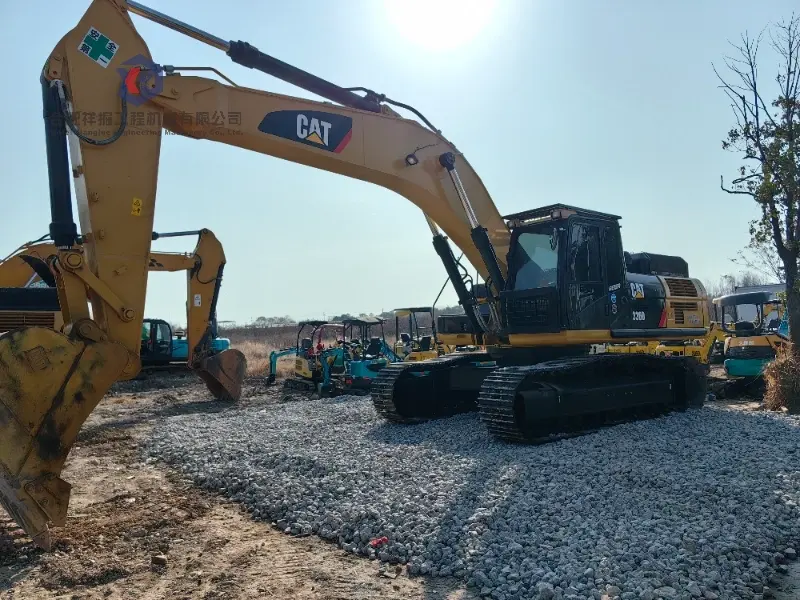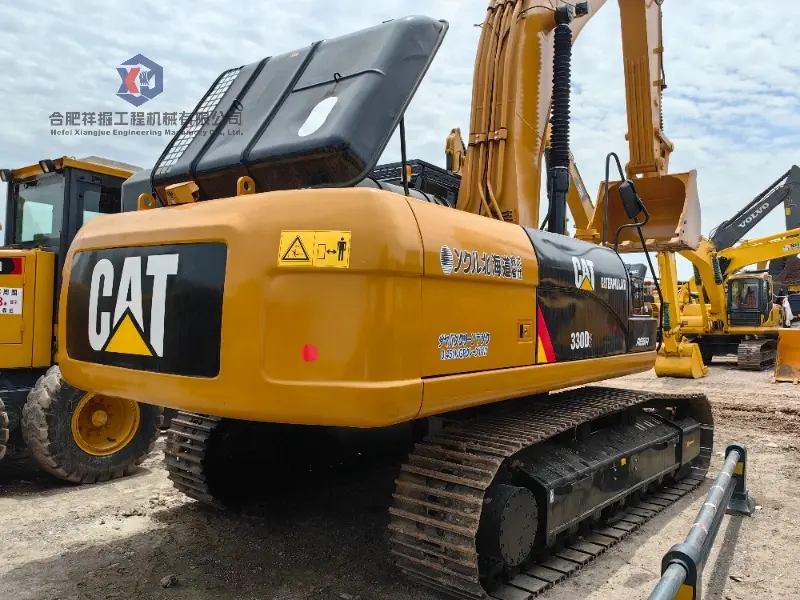


Using a Used CAT 320 in Remote Job Sites: Reliability and Maintenance
Release time: 2025-12-11
Table of Contents
Operating heavy equipment in remote job sites presents a unique set of challenges. Limited access to spare parts, lack of technical support, harsh environments, and long working hours all place higher demands on machine reliability. For many contractors, a used CAT 320 excavator remains a practical and proven solution for these conditions, provided it is properly selected and maintained.
1. Why the Used CAT 320 Is Popular in Remote Locations
The Caterpillar 320 has earned a strong reputation worldwide for durability and stable performance. In remote regions such as mining areas in Africa, infrastructure projects in South America, or rural construction sites in Southeast Asia, contractors value machines that can operate consistently with minimal downtime.
One major advantage of the CAT 320 is its robust hydraulic system. Even after years of service, a well-maintained used machine can deliver smooth and predictable control, which is critical when operating far from repair facilities. The machine’s solid undercarriage and reinforced structure also help it withstand uneven terrain and continuous heavy-duty work.
2. Reliability Factors That Matter Most
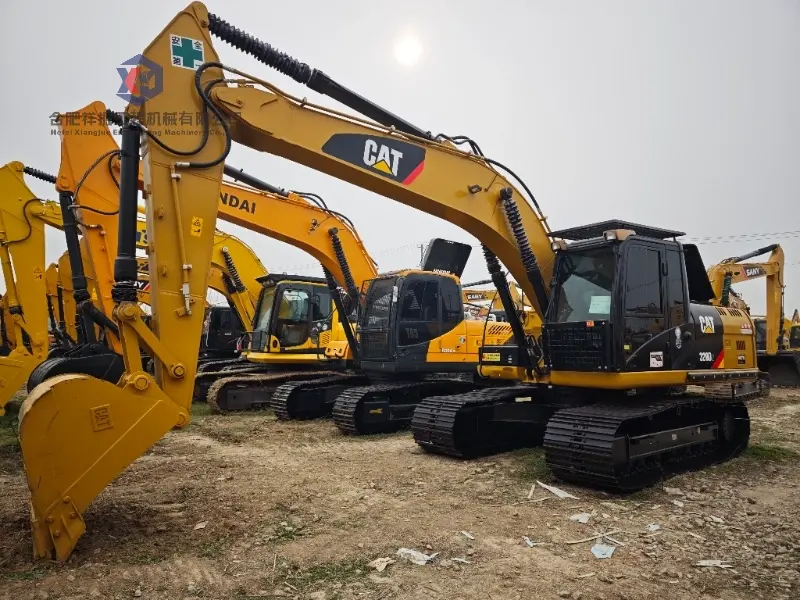
When using a used Caterpillar 320 digger equipment in remote job sites, reliability depends less on the machine’s age and more on its overall condition and service history. Engine performance is a key indicator. A healthy engine with stable oil pressure and minimal exhaust smoke can operate reliably for long shifts without frequent intervention.
Hydraulic components are another critical area. In remote environments, hose failures or pump issues can cause extended downtime. Machines that have original, well-maintained hydraulic systems or properly refurbished components tend to perform better than units with mixed or unknown repair histories.
Electrical systems should not be overlooked. Dust, moisture, and vibration can cause electrical failures over time. A used CAT 320 with a clean wiring layout and protected connectors is better suited for long-term remote operation.
3. Maintenance Strategies for Remote Job Sites
Preventive maintenance is essential when operating far from service centers. Daily inspections help identify small issues before they turn into major problems. Checking engine oil, hydraulic fluid levels, coolant condition, and air filters should be part of the operator’s routine.
Stocking essential spare parts on-site is another smart strategy. Filters, hoses, seals, and belts are relatively inexpensive and can prevent long work stoppages. Many experienced contractors also carry basic hydraulic fittings and electrical components to handle minor repairs in the field.
Fuel quality management is especially important in remote areas where supply standards may vary. Using clean fuel, maintaining fuel filters, and draining water separators regularly can significantly improve engine reliability.
4. Long-Term Cost Control and Downtime Reduction
One reason contractors choose used CAT 320 excavators for remote job sites is the balance between cost and performance. Compared to new machines, used units offer lower upfront investment while still delivering dependable productivity. With proper maintenance planning, downtime can be minimized, and operating costs remain predictable.
Scheduled maintenance intervals should be strictly followed, even when the machine appears to be running well. Ignoring service schedules often leads to unexpected failures, which are far more costly to address in remote locations.
Using a second-hand Caterpillar 320 excavator in remote job sites is a practical and reliable choice for many contractors worldwide. Its proven durability, simple maintenance requirements, and global parts availability make it well-suited for challenging environments. When supported by disciplined preventive maintenance and proper spare parts planning, a used CAT 320 can remain a dependable workhorse—even in the most isolated job sites.